
In short
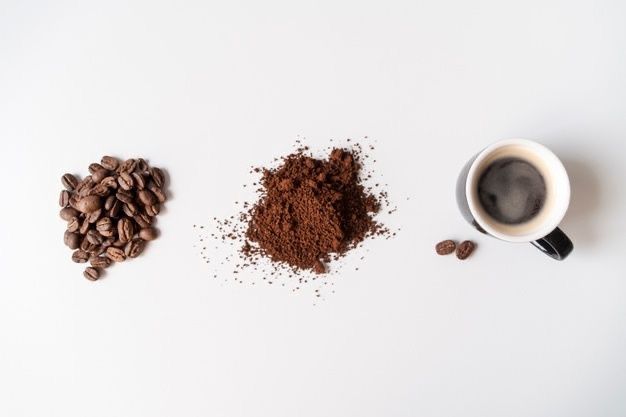
- Jamu contains no caffeine. Coffee is built on it
- The base: turmeric, ginger, tamarind and lemongrass
- Practised in Indonesia since the eighth century
- UNESCO inscribed jamu wellness culture on 6 December 2023
- It slots into the same moment as your morning coffee
Is jamu a good coffee alternative?
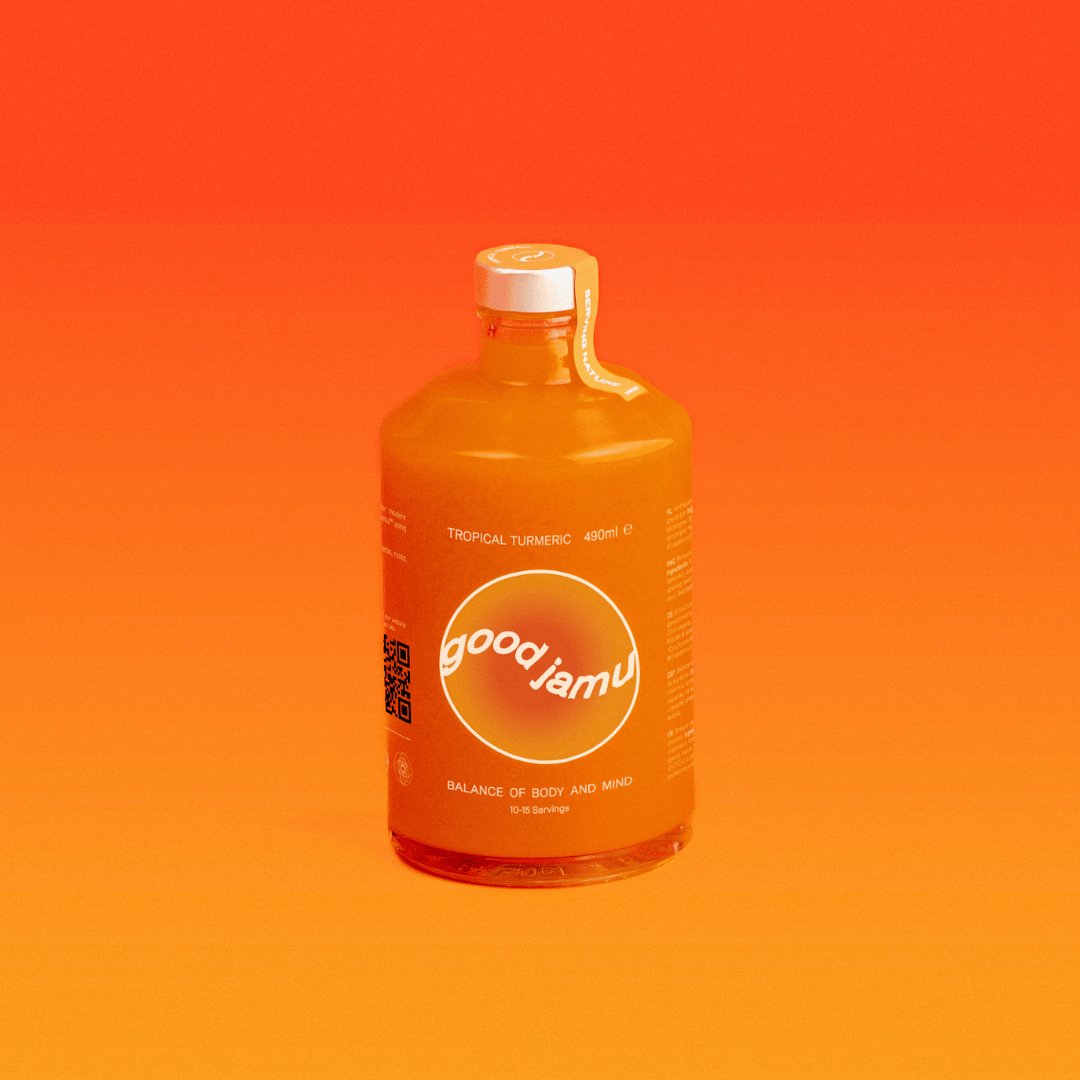
Jamu is caffeine-free and slots into the same moment of the day as coffee: something you make, something you drink at the same time each day. It is an infusion of turmeric, ginger, tamarind and lemongrass rather than a stimulant.
In our modern routines, coffee has become the default. But plenty of people are looking for something else to reach for, whether that is first thing in the morning, or at four in the afternoon when another cup would sit badly. Enter jamu, the Indonesian herbal drink that has been part of daily life across the archipelago since the eighth century, and that is finding a new audience among people cutting back on caffeine.
What is jamu? An Indonesian tradition since the eighth century
Jamu is an Indonesian herbal preparation that blends ingredients like ginger, turmeric, tamarind and lemongrass: the same aromatics that run through the Indonesian kitchen.
Recipes are passed down at home and mixed fresh. The jamu gendong, the women who carry bottles of it in a basket on their back, are still a familiar sight on Java. On 6 December 2023 UNESCO inscribed Indonesian jamu wellness culture on the Representative List of the Intangible Cultural Heritage of Humanity. Today it is finding a new audience as a modern drink with a very old story.

Why jamu is caffeine-free
Jamu contains no caffeine because it is an infusion of roots and aromatics rather than a stimulant drink. Coffee is built on caffeine, jamu on flavour. Its character comes from ingredients like:
-
Turmeric, the rhizome that gives jamu its deep golden colour and an earthy, lightly bitter note.
-
Ginger, sharp and warming, and one of the most studied kitchen spices. Researchers look in particular at a compound called gingerol.
No caffeine going in, so nothing to come down from.

What is in jamu?
The classic base is four ingredients:
- Turmeric: the rhizome that colours everything golden. Earthy, warm, a little bitter.
- Ginger: sharp and warming, the backbone of the flavour.
- Tamarind: sour and fruity, the ingredient that keeps the blend from turning heavy.
- Lemongrass: fresh and citrussy, without the acidity of lemon.

Can jamu replace my morning coffee?
Plenty of people use it that way. Jamu slots into a morning ritual the way coffee does. What it does not bring is caffeine, so it reads as a different experience rather than a like-for-like swap.
Warm or cold, first thing or midday, it comes down to taste and habit.

Other caffeine-free coffee alternatives
- Green tea: still contains caffeine, but noticeably less than coffee.
- Matcha: powdered green tea, grassy and full-bodied, also caffeinated.
- Golden milk: turmeric stirred into warm milk, a comforting classic.
- Mushroom coffee: ground mushrooms blended with or instead of coffee. An acquired taste.
Who drinks jamu?
Jamu is made from things you would find in a kitchen: roots, spices, fruit and water. In Indonesia it is an everyday drink, made at home and sold on the street. As with any new food or drink in your routine, if you have questions about what suits you, your doctor or pharmacist is the right person to ask.
Look for jamu from makers who are open about what is in the bottle.

Frequently asked questions
Can jamu replace coffee?
Jamu is caffeine-free, so it is a different drink rather than a copy of coffee. Many people use it in the same slot in their day, in the morning or mid-afternoon, because the ritual stays the same: make something warm and sit with it for a moment.
What is jamu made of?
Typically turmeric, ginger, tamarind and lemongrass, sometimes with palm sugar or honey. Recipes vary by family and by region. In Indonesia jamu has been mixed at home and sold on the street since the eighth century.
Does jamu contain caffeine?
No. Jamu is a herbal infusion of roots and aromatics and contains no caffeine. Our sodas and concentrates are caffeine-free too.
What does jamu taste like?
Warm, spiced and fresh at the same time. The turmeric is earthy and lightly bitter, the ginger sharp, the tamarind sour and the lemongrass fresh. First-timers often call it surprisingly punchy.
A different kind of morning ritual
Jamu is a ritual with centuries behind it. If you are tired of the rhythm of coffee, jamu is simply a different thing to put in the cup, with a good story alongside it.
Read next: finding your third space, global wellness rituals and everything about jamu.
Ready to swap the cup? Discover our jamu.


