
In short
- Sober curiosity is examining, not a label or a pledge
- The movement grew sharply during the pandemic
- Alcohol suppresses REM sleep, even at modest amounts
- Socially, the simplest answer works best
- The ritual matters more than what is in the glass
What is sober curiosity?
Sober curiosity means examining your relationship with alcohol without pressure or labels. Ask yourself: does drinking enhance my life or detract from it? Do I drink from habit, social pressure, or genuine enjoyment?
This movement grew sharply during the pandemic, when many people's drinking became uncomfortably routine. Remote work stress and isolation increased consumption, but also created space for reflection.
Key elements:
- Questioning alcohol's role without shame
- Experimenting with alcohol-free periods
- Paying attention to how booze affects your sleep, energy and mood
- Seeking authentic connections without liquid courage
- Exploring sophisticated non-alcoholic alternatives
Why more people are choosing not to drink
Sleep and energy
Sleep researchers have consistently observed that alcohol suppresses REM sleep, even at modest amounts. It is one of the better-documented things about drinking, and it is often what people notice first. Those who cut back commonly describe:
- Falling into deeper sleep sooner
- Less nighttime restlessness
- Steadier energy across the day
- Waking up in a better mood
Mood and headspace
A great deal of what people say about drinking less has to do with how they feel the next day. Commonly reported:
- Less of the low-level unease that follows a night out
- More even moods through the week
- Feeling more capable of handling a stressful day
- Sharper focus and easier decisions
- Feeling more like themselves in company
Physical changes
People often mention noticing changes within weeks:
- Better-looking, less dehydrated skin
- Feeling less puffy and more comfortable
- Fewer empty calories in the week
- Mornings that start earlier and easier
- More appetite for exercise
Navigating social situations
Reality check: most people care far less about your beverage choice than you think. They are focused on their own evening.
What works:
- Keep a non-alcoholic drink in hand
- Keep the explanation short: "I'm not drinking tonight."
- Suggest activities that do not revolve around drinking
- Find like-minded friends
- Remember: true friends support your choices
Short answers that end the conversation:
- "I'm driving tonight"
- "Early morning tomorrow"
- "Taking a break to see how I feel"
- "Sleeping better lately"
The best alcohol alternatives
Sophisticated mocktails
Kombucha cocktails:
- Ginger kombucha with fresh mint, lime and sparkling water
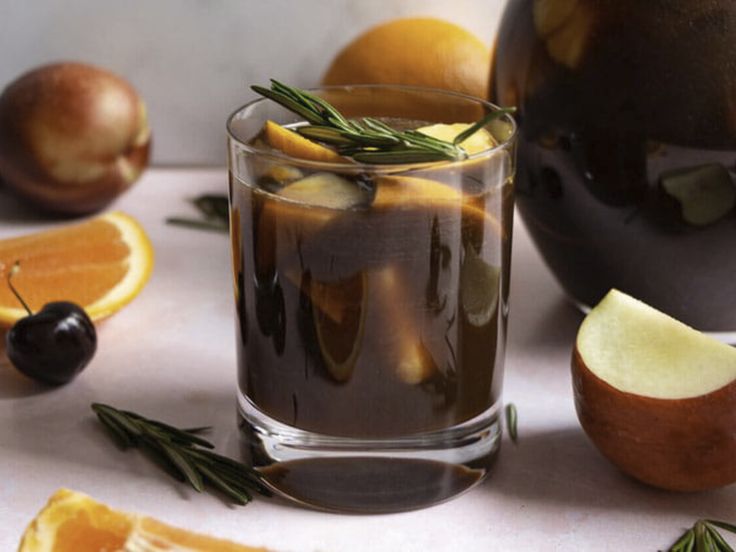
- Hibiscus kombucha with grapefruit juice and rosemary
- Apple cider kombucha with cinnamon and fresh apple
Herbal tea cocktails:
- Chamomile tea with honey, lemon and ginger
- Chai concentrate with oat milk, vanilla and cardamom
- Peppermint tea with cocoa and almond milk
Golden milk variations:
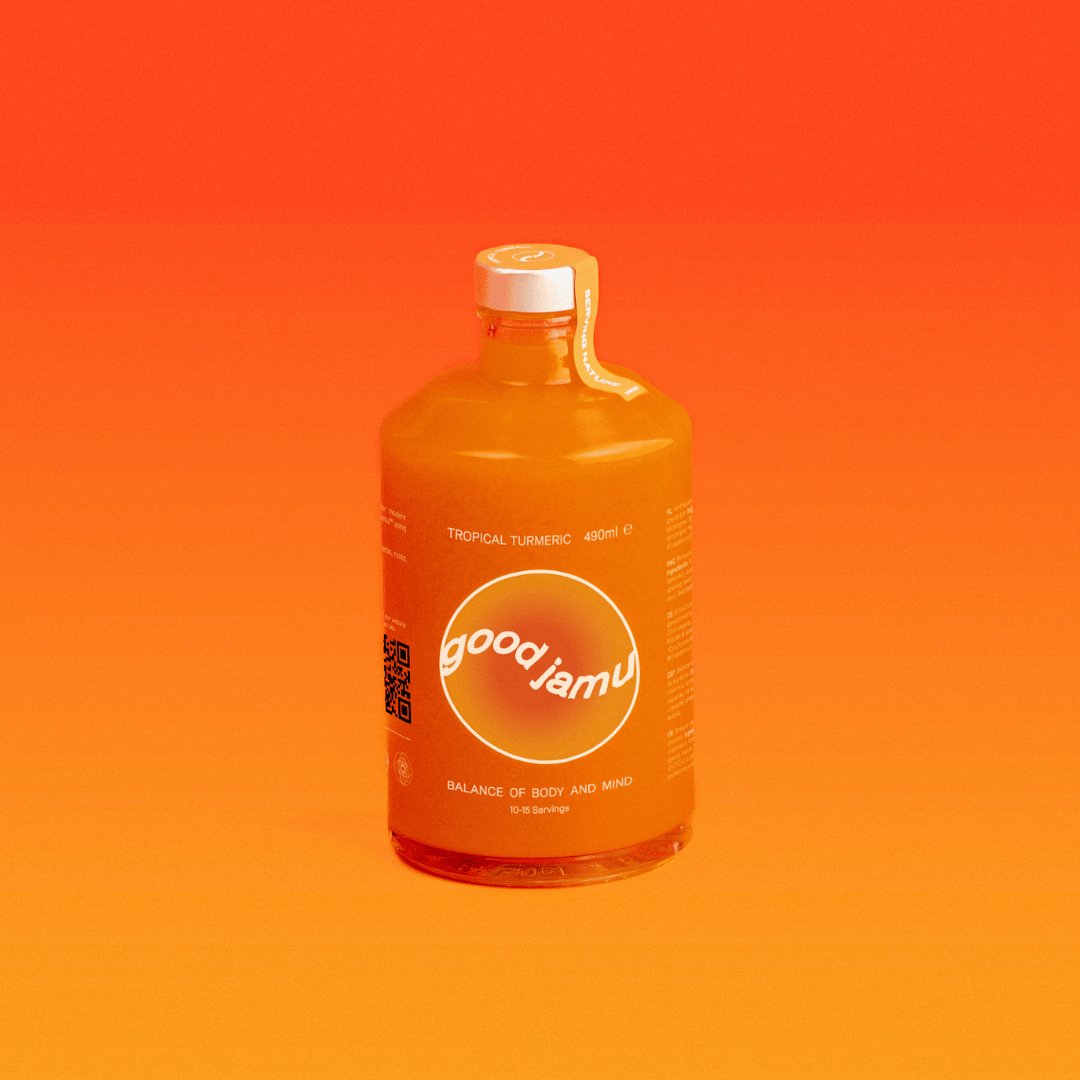
- Turmeric with ginger, cinnamon and coconut milk
- Add ashwagandha or maca for a rootier, more bitter edge
- The chocolate version with cocoa and maple syrup
Prefer something from a can: our sodas are alcohol-free and caffeine-free, and they look as good in a wine glass as in a tumbler.
Making it feel special
The ritual matters as much as the drink. Create ceremony through:
- Proper glassware, a wine glass or a cocktail glass
- Fresh garnishes and attractive presentation
- Quality ingredients
- An intentional cocktail hour of your own
DIY syrups:
- Lavender honey syrup
- Ginger turmeric syrup
- Rosemary citrus syrup
How to explain your choice
Keep it simple and confident. No over-justification needed.
For close friends:
- "I'm exploring how I feel without alcohol"
- "I sleep much better when I don't drink"
- "It's just what I feel like at the moment"
For casual situations:
- "I'm not drinking tonight"
- "I'm the designated driver"
- "Taking a break from alcohol"
Common pushback responses:
- "Why aren't you drinking?" becomes "No particular reason, I just fancy this instead"
- "Just one drink!" becomes "I'm good with what I have, thanks"
- "You're no fun!" becomes "Still the same person, just without alcohol"
What people report over time
Within weeks:
- Better sleep and steadier energy
- Clearer skin
- Feeling less bloated
- Noticeably more money left at the end of the month
Within months:
- Mornings stop being something to get through
- Weekends open up and more gets done in them
- Social plans start being built around something other than a bar
- Significant cost savings
Long-term:
- Drinking stops being the default and becomes a choice
- New routines settle in and stop feeling like substitutes
- A drinks repertoire you actually enjoy rather than tolerate
- More authentic relationships
How to start
The gradual approach
Weeks 1 and 2: track current patterns without judgment.
Weeks 3 and 4: replace every other drink with a non-alcoholic alternative.
Week 5 onwards: build new social activities and routines.
A complete break
Try 30 or 90 days alcohol-free to reset your relationship with drinking and establish new patterns.
One thing worth saying plainly: this article is about ordinary social drinking and the choice to do less of it. If drinking feels like something you cannot step away from, that is a conversation for your GP rather than a blog, and it is a completely reasonable one to have.
Frequently asked questions
Will I lose friends?
True friends support your choices. Some relationships built around drinking may fade, but deeper connections often emerge.
How do I handle work events?
You will be more present and make better impressions. A good non-alcoholic drink in a real glass helps you take part fully.
What about winding down after work?
Most people swap in something else with a ritual attached: a walk, a proper pot of tea, a good non-alcoholic drink in a real glass. The cue matters more than the contents.
Can I still have fun?
Most people report more genuine fun when fully present and not worried about their drinking.
Read next: everything about hibiscus, jamu as a coffee alternative and our mocktail recipes.


