
In short
- A 330 ml can of soda holds roughly 35 g of sugar
- The biggest change is to your palate, not your willpower
- For most people the shift takes two to three weeks
- Four categories: sparkling water, tea, fermented and savoury
- Hidden sugars appear under a dozen different names
What do you drink when you are cutting sugar?
Four categories do the job: sparkling water with fresh additions, unsweetened herbal tea, fermented drinks like kombucha and water kefir, and savoury options such as broth. All of them carry enough flavour to keep the ritual, without the sugar.
The hidden sugar problem in beverages
Most people underestimate how much of their daily sugar comes from drinks. A single 330 ml can of soda holds roughly 35 grams of sugar, close to nine sugar cubes. Even options that look healthy, like fruit juice, sports drinks and flavoured coffees, easily reach 20 to 50 grams per serving.
Common high-sugar culprits:
- Regular sodas: 30 to 40 g of sugar per 330 ml
- Fruit juices: 20 to 30 g per 250 ml
- Sports drinks: 15 to 25 g per 250 ml
- Flavoured coffee drinks: 25 to 50 g per serving
- Energy drinks: 25 to 40 g per can
- Sweet tea and flavoured waters: 15 to 30 g per serving
What happens when you reduce beverage sugar?
The honest answer is that the biggest change is to your palate, and it happens faster than most people expect.
The first week or two:
- Unsweetened drinks taste flat and strange at first. This is normal and it passes.
- You start noticing what you were drinking past: the tea underneath the sugar, the fruit underneath the syrup
- Sour and bitter flavours become more interesting rather than less
- The afternoon soft drink turns out to be mostly habit and timing
After a month or so:
- Drinks you used to enjoy start tasting noticeably too sweet
- Liquid calories are simply no longer part of the day. That is arithmetic, not magic
- You build a short list of drinks you actually like, which is what makes it stick
- Subtle flavours, a good rooibos or a dry kombucha, become genuinely enjoyable
Longer term:
- The palate shift is durable. Going back to a full-sugar soda is usually unpleasant
- Your default order when out changes without you thinking about it
- You end up with a broader drinks repertoire than you started with, not a narrower one
What are the best naturally sugar-free options?
Sparkling waters and seltzers
Sparkling water provides the satisfaction of bubbles and can feel more indulgent than still water while remaining completely sugar-free.
Plain sparkling water is sugar-free by definition. If you go for a flavoured version, read the label: some contain sugar or sweeteners, others only natural flavouring.
DIY sparkling water enhancement:
- Add fresh lemon, lime or orange slices
- Muddle fresh herbs like mint, basil or rosemary
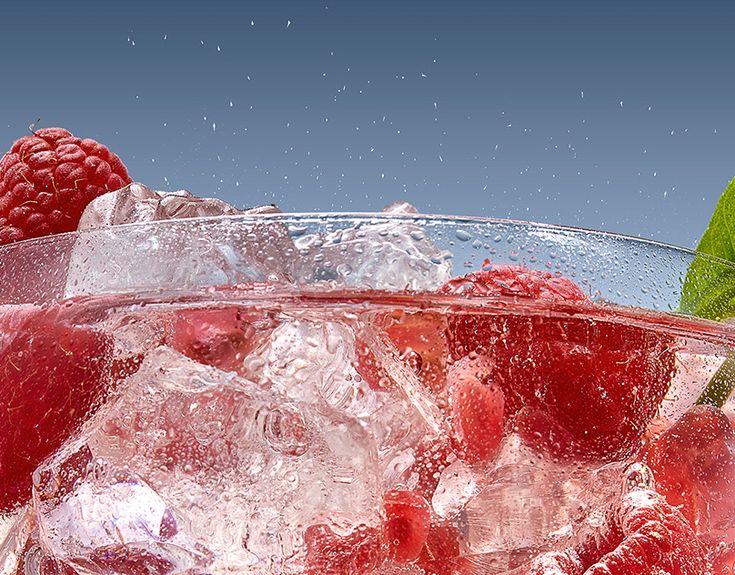
- Drop in frozen berries for subtle flavour and visual appeal
- Add cucumber ribbons for a spa-like refreshing taste
- Try a splash of sugar-free fruit extract or essence
Herbal and unsweetened teas
Tea provides endless variety and natural flavours without any added sugars. Hot or iced, teas can satisfy different moods throughout the day.
Caffeine-free herbal options:
- Chamomile: soft, hay-like and naturally sweet-tasting, a classic evening cup
- Peppermint: sharp and cooling, works as well iced as hot
- Rooibos: naturally sweet and rich, excellent with a splash of unsweetened almond milk
- Hibiscus: tart and fruity, with a deep red colour that comes straight from the petals
- Ginger: warming and pungent, one of the oldest traded spices in the world
Caffeinated options:
- Green tea: light, grassy flavour and a gentler lift than coffee
- White tea: delicate and subtle, lowest caffeine content among true teas
- Oolong: complex flavour between green and black tea
- Black tea: Earl Grey, English Breakfast or Ceylon for robust flavours
Broth and savoury options
Savoury drinks can satisfy cravings that sweet alternatives might not address, especially for those who associate beverages with umami or salt rather than sweetness.
Why people reach for bone broth:
- Savoury and substantial in a way no cold drink is
- Filling enough to sit comfortably between meals
- Warm and comforting, especially during cold weather
- Available in convenient shelf-stable and frozen options
Other savoury alternatives:
- Vegetable broth: lighter option built on vegetables and herbs
- Miso soup: fermented, deeply savoury and satisfying umami flavour
- Tomato juice: choose low-sodium versions for a cleaner, less salty taste
- Pickle juice: an acquired taste, and very salty, but it has its devotees
Kombucha and fermented beverages
Kombucha offers complex, vinegary flavours while typically containing much less sugar than traditional sweet drinks.
What to look for:
- Choose brands with under 8 g sugar per serving
- Raw or unpasteurised versions tend to have a sharper, livelier flavour
- Sugar per serving varies enormously between brands, so read the label
- Make your own to control sugar content and fermentation time
Other fermented options:
- Water kefir: lighter and more subtly flavoured than kombucha
- Kvass: traditional fermented beet or bread beverage
- Jun: honey-based fermentation, often called the champagne of kombucha
Which sugar substitutes work in beverages?
Natural zero-calorie sweeteners
Stevia:
- Derived from the stevia leaf
- 200 to 400 times sweeter than sugar, so use sparingly
- Can have a slightly bitter aftertaste, so try different brands
- Works well in cold beverages and herbal teas
- Liquid stevia often mixes better than powder
Monk fruit sweetener:
- Extracted from monk fruit, native to southern China
- 100 to 250 times sweeter than sugar
- No bitter aftertaste for most people
- Heat stable, good for hot beverages
- Often blended with erythritol for better measuring ratios
What to watch for in sugar-free drinks
Artificial sweeteners, and how they taste:
- Aspartame: thin, slightly chemical finish that some people pick up immediately and others never notice
- Sucralose: very sweet with a lingering aftertaste, the most debated of the group
- Acesulfame potassium: often combined with other artificial sweeteners to mask its own aftertaste
- Saccharin: oldest artificial sweetener, can have a metallic aftertaste
Hidden sugar names to watch for:
- Agave nectar, rice syrup, cane juice, fruit juice concentrate
- Maltodextrin, dextrose, glucose, fructose
- Honey, maple syrup, coconut sugar: still sugar, despite being natural
How do the main categories compare?
Herbal teas and what they actually taste like
Warm and aromatic:
- Ginger tea: hot, pungent and clean-finishing. Steep it longer for more bite
- Peppermint: cooling and bracing, the sharpest of the common herbals
- Fennel: sweet and aniseed-like, closer to a liquorice note than most expect
- Chamomile: round, soft, faintly honeyed even with nothing added
Deeper and more tannic:
- Green tea: grassy and vegetal. Brew cooler than boiling to keep it from turning bitter
- White tea: the most delicate of the true teas, easy to overwhelm
- Rooibos: caffeine-free, red, and naturally rounded, the easiest swap for a builder's tea
- Hibiscus: the most tart option on this list, and the most striking to look at
Fermented beverages
What fermentation does to the flavour:
- Turns sugar into acidity, which is why finished kombucha is sour rather than sweet
- Builds complexity: vinegary, faintly bready, sometimes fruity
- Produces natural carbonation, so the fizz is a by-product rather than an addition
- The longer the ferment, the drier and sharper the result
Choosing fermented drinks:
- Refrigerated options are usually fresher and more characterful
- Check the sugar per serving on the label. It varies enormously between brands
- Start with fruitier, milder styles if the vinegar note is new to you
- Home brewing gives you full control over how dry it ends up
Frequently asked questions
Will artificial sweeteners make me crave more sugar?
Opinion is divided and the evidence is mixed. What is easier to say is that keeping everything intensely sweet, whatever the source, gives your palate no reason to adjust. Gradual reduction is what most people find works.
Do I have to give up sweet drinks entirely?
No, and framing it that way tends to backfire. Most people do better by swapping the drinks they have on autopilot, the desk soda or the afternoon juice, and leaving the ones they genuinely look forward to alone.
Can I drink too much sugar-free beverage?
Some sugar alcohols are known for causing digestive discomfort in large quantities, so variety is sensible. And plain water still deserves a place in the day.
How long does it take to stop craving sugary drinks?
Most people describe the shift happening within two to three weeks. Your taste buds adapt, and things you used to drink happily start tasting far sweeter than you remembered.
What is the best sugar-free drink for athletes?
Electrolyte waters without added sugars, coconut water, and homemade versions using a pinch of sea salt are all popular. If you train seriously, timing carbohydrates around sessions is a question worth putting to a sports dietitian rather than a blog.
Are diet sodas okay occasionally?
They are a reasonable stepping stone if they get you off full-sugar drinks. Over time, though, most people find they would rather drink something with actual flavour behind it than another sweetened fizz.
In short
Cutting sugar in your glass does not mean drinking water all day. Sparkling water with fresh additions, unsweetened tea, fermented drinks and savoury options between them cover every moment of the day. The hard part lasts two to three weeks, and after that your palate does the work.
Read next: everything about hibiscus, what to drink instead of coffee at 4PM and why people are drinking less.


